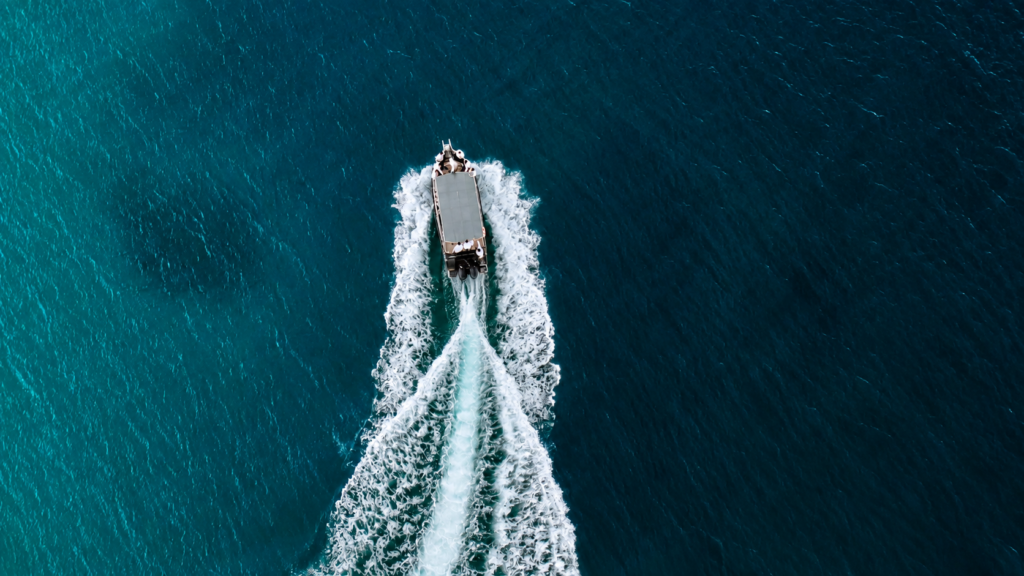
Eloping in El Nido means trading a banquet hall for limestone cliffs, a guest list for a quiet boat ride, and a packed schedule for a day that actually feels like yours. It is one of the most beautiful places in the Philippines to say your vows. It also comes with tides, boat schedules, weather, and paperwork that can catch couples off guard. This guide covers where to elope, when to go, what Filipino and international couples each need to know, and how to choose the right El Nido elopement photographer for your day.
Why Couples Choose to Elope in El Nido
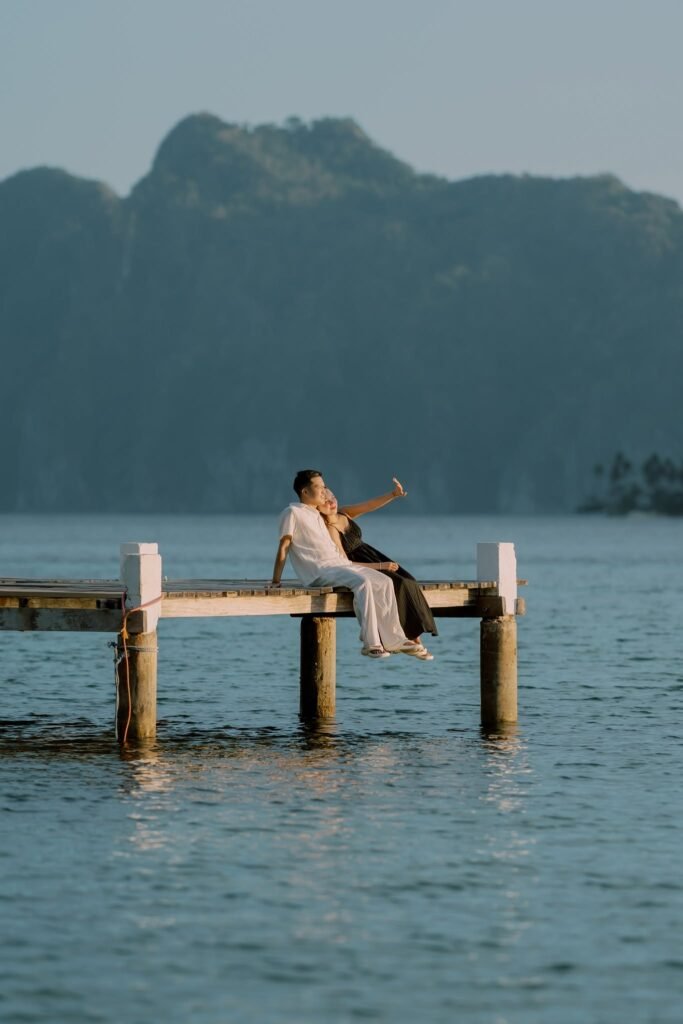
An elopement strips a wedding down to what matters: the two of you, your promises, and a place that means something. El Nido gives you a lot to work with. Emerald lagoons tucked between karst cliffs, long empty stretches of sand, and sunsets over the Bacuit Bay islands all sit within a short drive or boat ride of town.
Couples also choose to elope here because it is simpler. There is no seating chart and no 300-person reception to manage. You can put the money and energy into the experience itself: a private boat, a good dinner, and photos you will look at for the rest of your lives.
What an El Nido Elopement Photographer Actually Does
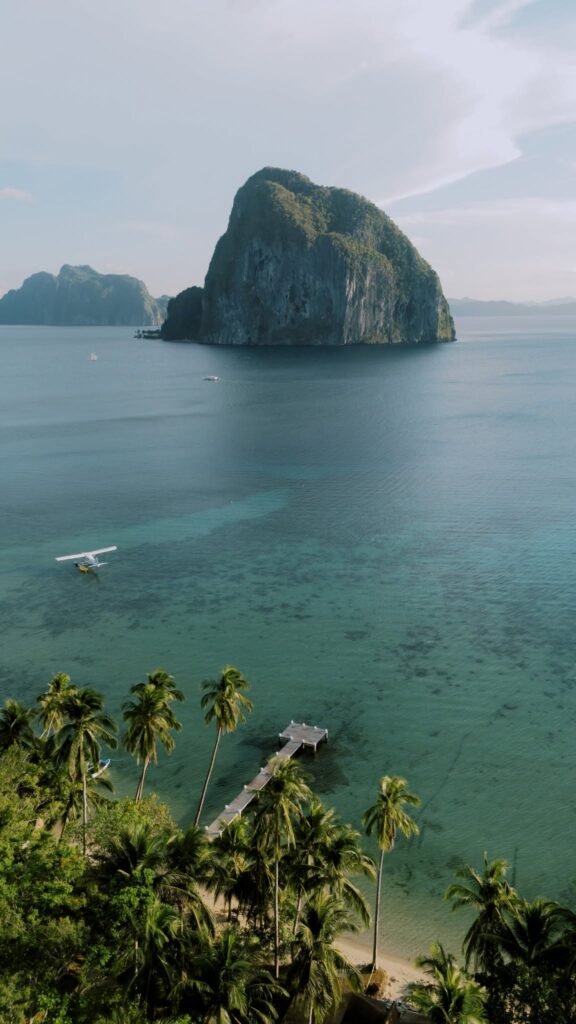
At a big wedding, your photographer mostly documents. At an elopement, your photographer often helps shape the whole day. A good El Nido elopement photographer will help you:
- Pick locations that fit your style and how much travel you want to do
- Time the day around light, tides, and when tour boats crowd the popular spots
- Build a realistic timeline so you are not rushing between islands
- Plan a backup if weather or sea conditions change
- Guide you in front of the camera so you look natural, not posed
That local knowledge is the difference between a stressful day and one that flows.
The Best Places to Elope in El Nido
Hidden Lagoons and Limestone Cliffs
The Big Lagoon and Small Lagoon, both on the Tour A island-hopping route, are the images most people picture when they think of El Nido. Still water, towering cliffs, and kayaks gliding through narrow gaps make for unforgettable portraits. Go early. By mid-morning, these spots fill with tour groups.
Nacpan Beach
Nacpan is a long, open beach about a 45-minute drive north of town. Its size means you can usually find a quiet stretch for your vows, even in high season. It is a strong choice if you want a barefoot ceremony with plenty of space.
Las Cabanas Beach at Sunset
Just a short ride from El Nido town, Las Cabanas is known for its sunset views over the islands. It is easy to reach at the end of the day, which makes it a natural finish for your elopement portraits.
A Private Island-Hopping Boat
Chartering a private boat lets you set your own pace, stop at secluded beaches, and have your ceremony on a sandbar or hidden cove. It also means you are not sharing the day with a boatload of strangers.
A quick note on permits: many El Nido sites are protected areas with visitor fees, schedules, and rules. Ceremony setups may need arrangements through licensed local operators or your resort. Confirm the details before you lock in a location.
When to Elope in El Nido
The dry season runs roughly from November to May. December and January are cooler and busy with holiday travelers. February to April is a sweet spot, with dry weather, long sunny days, and smaller crowds than the Christmas peak.
From June to October, the southwest monsoon brings more rain and rougher seas. Boat trips can be delayed or canceled. You can still elope in this season, but plan a backup day and keep your schedule flexible.
Time of day matters as much as the month. Early morning gives you soft light and empty lagoons. Late afternoon gives you golden light and sunset. Midday sun is harsh, so it is a good time to rest, eat, and change outfits.
For Filipino Couples Eloping in El Nido
If you want your El Nido elopement to be legally binding, start the paperwork early. In general, you will apply for a marriage license at the Local Civil Registrar where either of you lives. Expect to bring your PSA birth certificates and CENOMARs, and to attend a pre-marriage counseling or seminar. The application is posted for 10 consecutive days, and the license is valid for 120 days anywhere in the Philippines. Couples aged 18 to 21 need parental consent, and those aged 21 to 25 need parental advice. Requirements vary by LGU, so check with your registrar first.
Some couples prefer to handle the civil wedding at home, then fly to El Nido for their vows, portraits, and a truly private moment. Either way works. It just depends on whether you want the signing to happen on the beach or at city hall.
Eloping does not have to mean leaving family out. Many couples plan a simple celebration back home and share their gallery there, so lolo, lola, and the titas still get to see every moment. A few video messages recorded before the trip can also be read out during your ceremony.
Getting there is easy from Manila. You can fly direct to El Nido, or fly into Puerto Princesa and take a van north, which usually takes around five to six hours.
For International Couples Eloping in El Nido
The first question most international couples ask is whether they can legally marry in the Philippines. You can, but it takes planning. Foreign nationals typically need a Certificate of Legal Capacity to Contract Marriage from their embassy, a valid passport, and proof that any previous marriage has ended. The same 10-day posting period applies, so you will need to be in the country for longer than a short holiday. Embassy procedures differ, so contact yours well before you book flights.
Because of this, many international couples marry legally at home and hold a symbolic ceremony in El Nido. It is just as meaningful, and it lets you focus on the experience instead of the paperwork.
A few practical tips for traveling from abroad:
- Arrive a few days early to get over jet lag and give yourself a weather buffer
- Choose light, breathable outfits that can handle sand, sun, and a bit of sea spray
- Pack reef-safe sunscreen and water shoes for boat days
- Carry your rings and vow cards in a small waterproof pouch
When family cannot be there, your photos become the way they experience the day. That makes the choice of photographer even more important.
A Sample El Nido Elopement Timeline
Every elopement is different, but here is how a full day might flow:
- 5:30 AM – Get ready at your resort with a few candid photos
- 6:30 AM – Board a private boat ahead of the tour crowds
- 7:30 AM – Exchange vows at a quiet lagoon or cove
- 8:30 AM – Portraits, kayaking, and a swim
- Midday – Lunch, rest, and an outfit change
- 4:30 PM – Golden hour portraits on the beach
- Sunset – Final photos and a toast as the sun goes down
How to Choose Your El Nido Elopement Photographer
Beautiful Instagram posts are a start, but they do not tell the whole story. When you compare photographers, look for:
- Full galleries, not just highlights, so you can see how they handle a whole day
- Experience in El Nido, including boats, water, harsh sun, and changing weather
- A clear backup plan for rain or canceled boat trips
- Clear inclusions, such as hours of coverage, number of locations, and delivery time
- Good communication, because you will plan much of the day together
If you are still deciding between an elopement and a full celebration, our guide to finding an El Nido wedding photographer covers bigger weddings. Planning to pop the question first? Read our tips on working with an El Nido proposal photographer.
Plan Your El Nido Elopement With Aubrey Stills Studio
Your elopement should feel calm, personal, and completely yours. Tell us your dates, your ideas, and what kind of day you picture, and we will help you plan the locations and timing so you can simply enjoy it. Get in touch with Aubrey Stills Studio to check availability.
Frequently Asked Questions About Eloping in El Nido
Can foreigners legally get married in El Nido?
Yes. Foreign nationals usually need a Certificate of Legal Capacity to Contract Marriage from their embassy, plus a marriage license with a 10-day posting period. Many couples marry legally at home and hold a symbolic ceremony in El Nido instead.
Do we need a permit to elope on a beach or lagoon?
Many El Nido sites are protected areas with visitor fees and rules. Ceremony setups may need arrangements through licensed local operators or your resort, so confirm before you book a location.
What is the best month to elope in El Nido?
February to April offers dry weather, long sunny days, and fewer crowds than the December holidays. November to January is also dry but busier.
How many hours of photography do we need for an elopement?
It depends on your plans. A short ceremony with portraits can fit into a few hours, while a full day with getting ready, a boat trip, and sunset photos needs more coverage.
What happens if it rains on our elopement day?
Tropical rain often passes quickly, so the day can usually shift around it. For boat-based plans, it is smart to keep a backup day in your trip in case sea conditions cancel tours.